“season Sakuran” search results (7210)
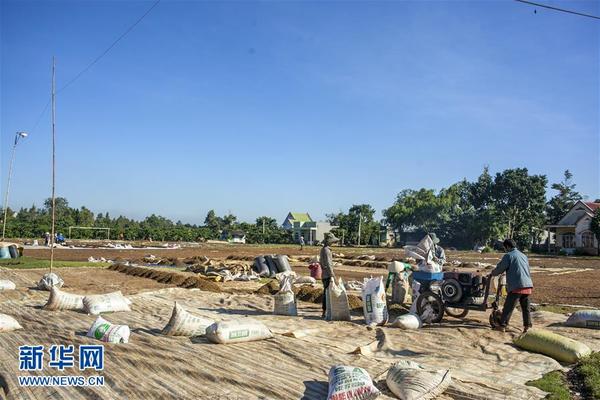
The latest news of Vietnamese coffee: the villagers began to pick coffee beans during the harvest season.
A villager makes the first processing of coffee beans in Xinle Township, Baolin County, Linton Province, Vietnam on December 2. Coffee is the daily drink of Vietnamese and can be called the national drink of Vietnam. Vietnam's coffee exports have also remained among the top three in the world in recent years. A villager sorts freshly picked coffee beans in Xinle Township, Baolin County, Linton Province, Vietnam on December 2. Coffee is a daily drink for Vietnamese.
2015-12-03 Vietnam coffee latest news entry harvest season villagers start picking
Flavor and taste of coffee manor in Indonesia Kahayang Gan Manor
There are usually two harvest seasons in Indonesia, the main harvest season (main crop) occurs from September to October, and the second harvest season (fly crop) occurs from May to June. Arabica will be picked by hand, wbrIndonesian wbrCoffee (I) Coffee processing Coffee from Java is traditionally washed. Sumatra and Sulawesi are extreme.
2016-07-18 Indonesia Coffee Manor producing area Flavor Taste introduction Kaha Yanggan
Introduction to the Flavor of Erida Manor Coffee Manor in Panama
Main varieties: katai 85%, iron pickup and bourbon 15%, rose (a small amount) flowering: March, April, May harvest: January to April soil: deep soft sandy soil microclimate characteristics annual rainfall: 2400 mm, rainy season (May to November) the main sunshine period: from the end of February to the beginning of May, there are 4 or 5 times a year. During the dry season with abnormal climate, there are often meetings in the first half of the dry season
2016-07-20 Panama Allie Manor Coffee producing area Flavor introduction Emerald Rose Summer main
Four major cultivation systems of Ethiopian coffee how is Ethiopian coffee cultivated? Ethiopia
Ethiopia is located between three and fourteen degrees north latitude, and the planting area of coffee trees is nearly 600000 hectares. There are two rainy seasons a year in the south and east of the country, while there is only one rainy season in the west. The distribution of the rainy season is different, so coffee is harvested in Ethiopia all the year round. Coffee grows between 550 and 2750 meters above sea level. The soils in the west and south belong to volcanic rocks and are rich in minerals.
2016-03-16 Ethiopia coffee big four cultivation system how
Production process of coffee beans in Rwanda
The biggest harvest season for Rwandan coffee is during the main rainy season, from March to the end of May. During the harvest season, farmers spend most of their day picking coffee fruits by hand. In the afternoon, farmers carry coffee fruits in traditional baskets made of banana leaves to a cleaning station a few hours away. The mechanic uses his hands to make the best quality coffee with crimson color.
2016-05-31 Rwanda coffee beans production process coffee maximum harvest season is
The production process of coffee in Rwanda
The biggest harvest season for Rwandan coffee is during the main rainy season, from March to the end of May. During the harvest season, farmers spend most of their day picking coffee fruits by hand. In the afternoon, farmers carry coffee fruits in traditional baskets made of banana leaves to a cleaning station a few hours away. The mechanic uses his hands to make the best quality coffee with crimson color.
2016-06-14 Rwanda coffee production process maximum harvest season is in
Full-bodied, mild taste of Costa Rican Goddess Manor Coffee Flavor production area
Costa Rica is located in the volcanic belt of the low latitudes of Central America, with the central plateau and mountains about 800 to 2000 meters above sea level. The climate here has two obvious dry and wet seasons. The harvest period is from November to March of the following year, which coincides with the dry season, and coffee fruits of high quality and consistent maturity can be harvested. The dry season also provides sunshine conditions for the sun treatment, in the rainy season.
2016-09-06 Full-bodied taste mild Costa Rica goddess manor coffee flavor
Characteristics and attributes of coffee in eight producing areas of Guatemala
The Ekatlago Valley is 2000 meters (6500 feet) above sea level, with dense shade and unique ecology. The nearby Fuego volcano erupts, making its coarse, sandy soil rich in a variety of minerals. Temperate sea breezes from the Pacific and a seasonal climate allow coffee in this region to be dried by sunlight and processed according to traditional family methods that have been accumulated over the years. [characteristics]
2014-05-15 Coffee knowledge Guatemalan coffee
The story of the four major cultivation systems of Ethiopian coffee, Xueke Omar, imported coffee
Ethiopia is located between 3 and 14 degrees north latitude, and the coffee tree cultivation area is close to 600,000 hectares. There are two rainy seasons in the south and east of the country and only one rainy season in the west. The distribution of rainy seasons is different, so that Ethiopia has coffee harvest all year round. Coffee grows between 550 and 2,750 meters above sea level. The soil in the west and south belongs to volcanic rocks and is rich in minerals.
2016-04-20 Ethiopia Coffee Big Four Cultivation Systems Snow Omar Story Import
Characteristics of Coffee from Eight Major Producing Areas in Guatemala
Elevated to 2000 meters (6500 feet), it is densely shaded and ecologically unique, with the nearby Fuego volcano erupting intermittently, making its coarse, sandy soil rich in minerals. Temperate sea breezes from the Pacific Ocean and seasonal climates allow this region's coffee to be sun-dried and processed by home-style traditional methods accumulated over the years. [Features] Acidity is obvious, dry
2016-06-08 Guatemala eight major regions coffee characteristics elevation 2000 meters 6500
Cultivation techniques of small-grain coffee: irrigation and fertilization
Irrigation of coffee planting areas in Yunnan Province can be divided into rainy season and dry season. Irrigation in the dry season, especially in the flowering period, can ensure the normal growth and flowering of coffee plants, improve the fertility rate, and achieve high yield. Fertilization is one of the key measures to obtain high yield of cultivated coffee. According to the data, for every kilogram of dried beans harvested, coffee trees have to come from the soil.
2015-10-07 Small grains coffee cultivation techniques irrigation fertilization Yunnan Province planting areas
Colombia coffee producing area Southwest Cauca
Cauca is similar to other southwestern regions, with a clear monomodal distribution of precipitation, with the dry season occurring mainly in August and September each year, followed by a concentrated coffee flowering season followed by a concentrated coffee harvest season the following year. To say that the biggest difference between Kauka and other producing areas in climate is probably the relatively large temperature difference, with a daily average temperature of 11 ° C and a daytime average temperature of 11 ° C.
2016-06-14 Colombia Coffee Region Southwest Cauca Other
Characteristics and attributes of coffee in eight producing areas of Guatemala
The Ekatra Valley rises to 2000 meters (6500 feet), with dense shade and unique ecology, and the nearby Fuego volcano erupts, making its coarse, sandy soil rich in a variety of minerals. Temperate sea breezes from the Pacific and a seasonal climate allow coffee in this region to be dried by sunlight and processed according to traditional family methods that have been accumulated over the years. [characteristics]
2015-06-04 Guatemala eight producing areas Coffee characteristics attributes Akka Turan Valley pull
Flavor description of coffee beans in eight producing areas of Guatemala
The Ekatlago Valley is 2000 meters (6500 feet) above sea level, with dense shade and unique ecology. The nearby Fuego volcano erupts, making its coarse, sandy soil rich in a variety of minerals. Temperate sea breezes from the Pacific and a seasonal climate allow coffee in this region to be dried by sunlight and processed according to traditional family methods that have been accumulated over the years. [characteristics]
2015-03-14 Guatemala eight producing areas Coffee beans Flavor description Eka Turan Valley
Characteristics and attributes of coffee in eight producing areas of Guatemala
The Ekatlago Valley is 2000 meters (6500 feet) above sea level, with dense shade and unique ecology. The nearby Fuego volcano erupts, making its coarse, sandy soil rich in a variety of minerals. Temperate sea breezes from the Pacific and a seasonal climate allow coffee in this region to be dried by sunlight and processed according to traditional family methods that have been accumulated over the years. [characteristics]
2015-10-16 Guatemala eight producing areas Coffee characteristics attributes Akka Turan Valley pull
What are the producing areas of Guatemalan coffee beans in volcanic geology
Rising to 2000 meters (6500 feet), with dense shade and unique ecology, the nearby Fuego volcano erupts, making its coarse, sandy soil rich in a variety of minerals. Temperate sea breezes from the Pacific and a seasonal climate allow coffee in this region to be dried by sunlight and processed according to traditional family methods that have been accumulated over the years. [characteristics] obvious acidity, dry
2016-04-29 Volcano geology coffee beans Guatemala which producing areas uplift 2000 meters
Introduction of eight different producing areas of coffee beans in Guatemala
The Ekatlago Valley is 2000 meters (6500 feet) above sea level, with dense shade and unique ecology. The nearby Fuego volcano erupts, making its coarse, sandy soil rich in a variety of minerals. Temperate sea breezes from the Pacific and a seasonal climate allow coffee in this region to be dried by sunlight and processed according to traditional family methods that have been accumulated over the years. [special]
2016-05-29 Guatemala coffee beans eight different producing areas introduction Akka Teran valley
Introduction of extraction time by Red Honey method Costa Rican Diamond Mountain Coffee Flavor description Grinding degree treatment method
The flavor of Costa Rican Diamond Mountain Coffee describes the completely different climatic conditions in Costa Rica, completely subverting the classification of the four seasons of the year, where there are only two seasons, with a rainy season from April to December and a dry season from the end of December to April of the following year, also known as summer. The annual average temperature in the capital San Jose ranges from 15 ℃ to 26 ℃, while the temperature in coastal areas is relatively high.
2016-10-19 Red honey Costa Rica Stone Mountain Coffee Flavor description Grinding treatment extraction
The story of the four major cultivation systems of Ethiopian coffee, Shake Omar, imported coffee
Ethiopia is located between three and fourteen degrees north latitude, and the planting area of coffee trees is nearly 600000 hectares. There are two rainy seasons a year in the south and east of the country, while there is only one rainy season in the west. The distribution of the rainy season is different, so coffee is harvested in Ethiopia all the year round. Coffee grows between 550 and 2750 meters above sea level. The soils in the west and south belong to volcanic rocks and are rich in minerals.
2016-04-20 Ethiopia Coffee Big four cultivation system Shack Omar Story Import
World Coffee Bean Tour Burma Coffee Bean
On July 13, 1813, the American Baptist Adoniram Judson and Ann Judson, Protestant missionaries known as the Apostles of Burma, came to Myanmar with Catholicism and coffee. As an indispensable drink in daily life, they began to try to grow coffee trees in Myanmar. In 1885, Burma became a British colony, and the colonists offered Burmese coffee to Queen Victoria.
2015-07-23 The World Coffee beans Tour Myanmar 1813 July 13th is called